
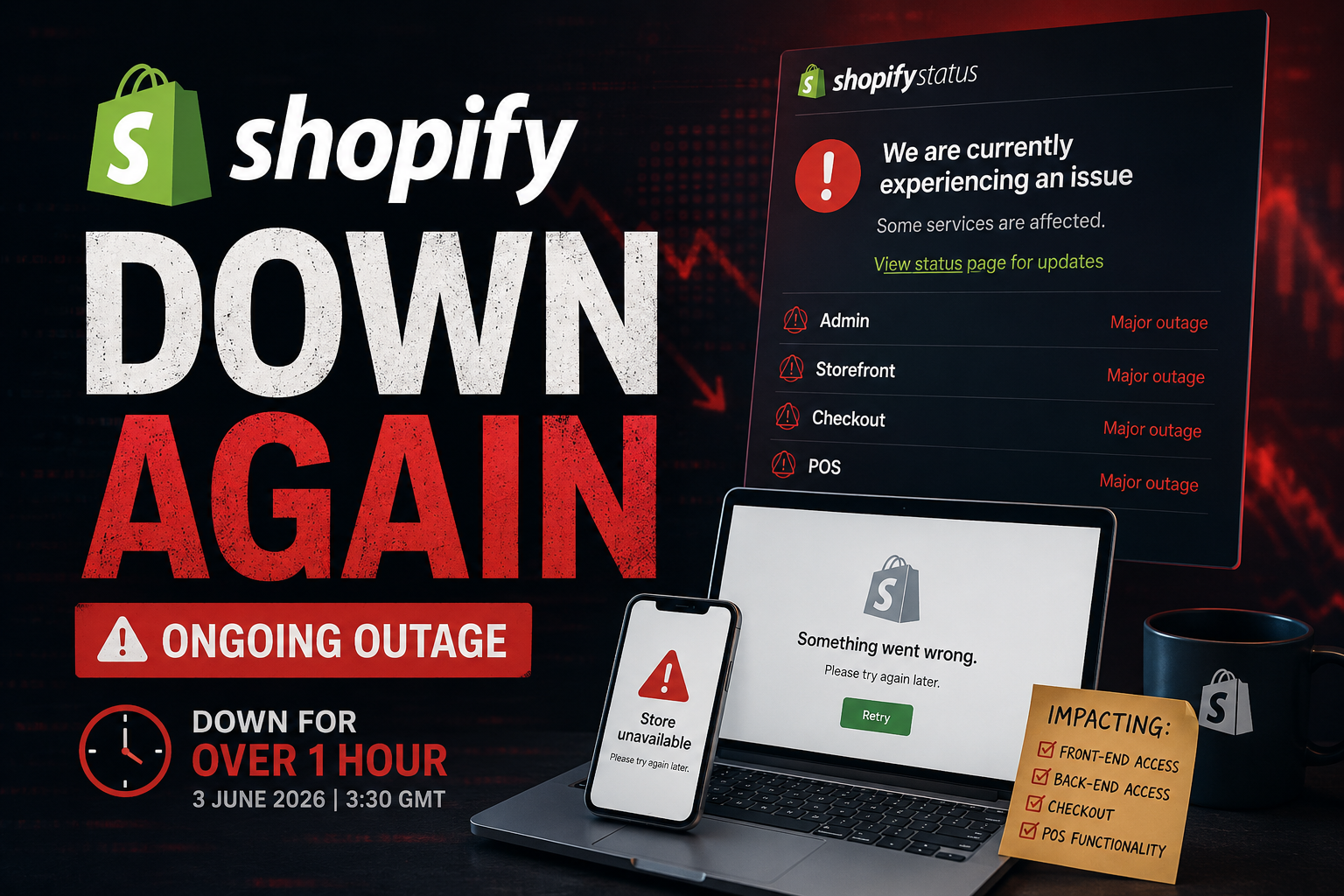
If you’re running a Shopify store, you may have noticed the downtime that we’ve been currently experiencing for the past hour (at the time of writing it’s 3.30 GMT on 3 June 2026).
This is the latest in a number of issues we’ve had over the past few months, but this one feels the most impactful for my wider net of clients.
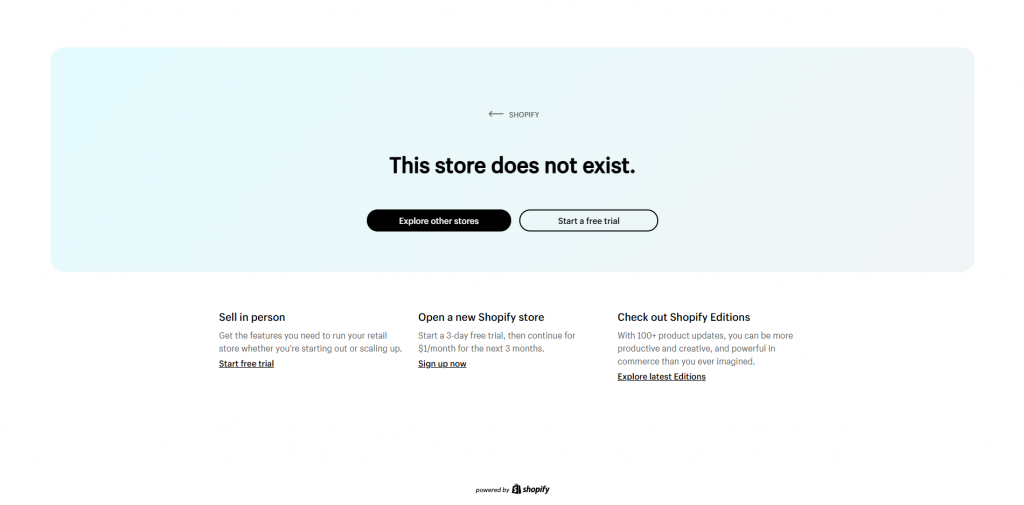
I first noticed it around 2.15pm and tweeted about it before Shopify had even updated their shopifystatus.com page around 15 minutes later.
Oh no @Shopify sites are all going down – front and back end pic.twitter.com/JDYve6rQmA
— Mark Logan | Ecommerce Consultant (@mlogandigital) June 3, 2026
The problem was affecting:
- Front-end access
- Back-end access
- POS functionality
- Checkout functionality
Shopify followed up with a status update to confirm the ongoing issues.
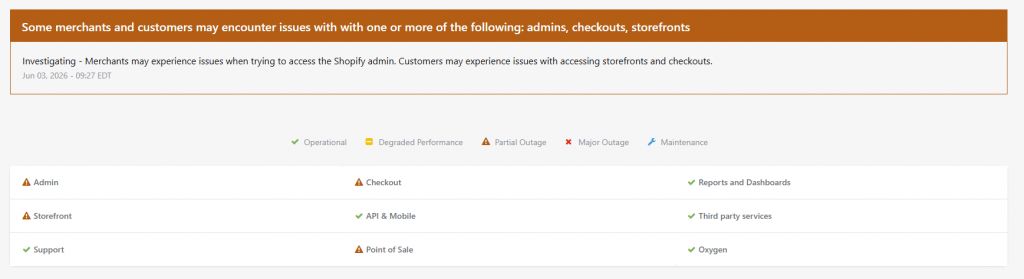
For a 10-15 minutes sites were intermittent, sometimes allowing access, sometimes going down again.
I then noticed that after half an hour some of my larger clients, plus larger websites that I visited around the web were all working. However smaller sites were not working.
Communication & Shopify Issue Clarity
A lot of people instantly rush to social media to moan about “Shopify going down again”, some saying they’re going to move platforms. In fairness to Shopify, they’ve acknowledged the issue on their status page and working to fix it.
This is no different to how any hosting company handles issues like this.
To be fair to Shopify, they actually tweeted me after over 2,000 people had viewed my tweet about Shopify going down.
We are aware of an issue impacting admins, checkouts, and storefronts, and are working to resolve it. For the most up-to-date information, please refer to our status page at https://t.co/TcJj5tJfYo. Thank you for your patience.
— Shopify Support (@ShopifySupport) June 3, 2026
However the wider issue is that people feel blindsided when these issues are ongoing. As much as Shopify have acknowledged there’s issues affecting front / back-end access, it doesn’t make the average user feel any better about why their source of income is down and inaccessible.
I’ve had clients messaging me to ask why it’s been down for an hour and that they’ve had a nightmare putting payments through. I do feel for them but personally my hands are tied until Shopify deploy the fix and hopefully follow up with a remedial message about what went wrong.
At this stage it’s speculation.
If There Anything You Can Do About Shopify Downtime?
For the vast majority of Shopify retailers, the short answer is no when it’s a platform wide issue like this. You can’t fix what is happening at infrastructure level. But there are a few things worth doing right now, worth putting in place for next time.
What you can do right now:
- Check shopifystatus.com directly rather than relying on social media posts by people like me which are outdated quickly. It tells you what is affected (storefront, checkout, admin etc) and whether they’re actively working on a fix. Bookmark it if you haven’t already
- Let people know via social media that your site is having some technical issues and to get in touch if they’re struggling to access the site or purchase.
- If you have a physical presence or sell via phone, let your regular customers know you’re still trading and take orders manually if possible. It’s not ideal but protects revenue whilst the platform catches up.
- Use the downtime productively. Get into your email drafts, prep your social content, sort through your admin tasks that don’t require the site to be live.
What to do for next time:
- Turn on Shopify status notifications so you get an alert the minute they log an incident rather than finding out when someone messages you. It won’t prevent the problem but at least alerts you to it
- If you’re running paid ads, have a plan for pausing ads quickly. You don’t want to be sending and spending on customers to get referred to a site that’s down.
- Keep your email list healthy. When the site goes down and you have 10,000 subscribers, you can quickly communicate with them directly, whilst keeping them warm. If you’re solely relying on your Shopify store, it hurts twice as bad if you haven’t got other channels helping you out.
- Consider whether your current Shopify setup has any single points of failure beyond Shopify itself. Third party apps, custom integrations, external scripts etc. The leaner the setup, the safer you are.
While you’re thinking about resilience, it’s worth widening the question from whether Shopify is up to who can actually get into your store when it is. Shopify has its own set of access controls, staff permissions and account recovery settings, and most store owners have never really looked at them until something goes wrong. Knowing exactly who holds the keys to your store, and how you’d get back in if you lost access, is the same preparedness thinking as planning for downtime. I’ve written about that separately here: does your ecommerce store have keys, and do you know who holds them.
The Fallout
There will undoubtedly be people saying this is the last straw and that they’re going to re-platform. A lot of that is pure frustration. It’s not as bad to go down in June as it is when Shopify went down during Cyber Monday in 2025.
However, for the ones who are taking it seriously, it is worth mentioning that all platforms have stability issues from time to time. I’ve been there and experienced the pain of it myself.
Let’s take Magento websites for example. Not only do they need specialist developers, the site has to be hosted on its own domain hosting which has to be set up and configured per site. This in itself brings problems, plus massive overheads.
When Magento needs updating (patches or full updates), or you have any releases of new work to go live to the site, the site will likely go down under maintenance but may well have issues when it tries to go-live. You don’t hear a lot about this because it’s limited to one site at a time, whereas Shopify fallout is generalised to everyone using the platform.
My advice is to bear with it, ride out the downtime, see what the conclusion to it is and then take stock of your options. Shopify is a great platform. Do your due diligence if you are thinking of moving at all, and speak to an expert or agency to understand your options.
If you want to chat through your options, as an ecommerce consultant with over 15 years of experience across multiple platforms, with shared / owned hosting experience, I would be happy to speak to you.