
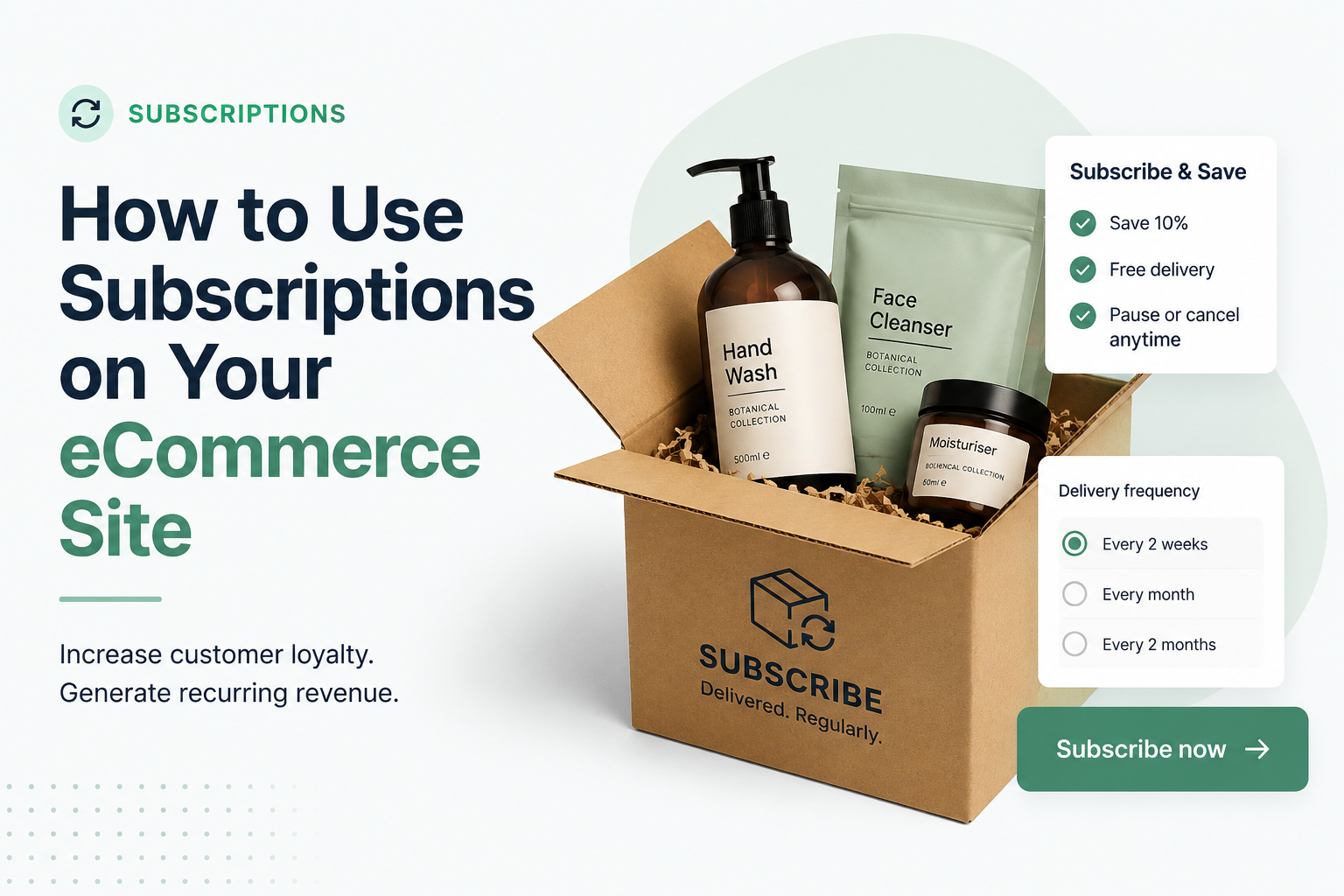
Most ecommerce brands focus on customer acquisition and then complain that there’s no loyalty left in ecommerce these days.
Some savvy online stores negate this experience by introducing recurring purchases vis a subscription model when it makes sense to do so. Depending on your product mix, if the ability to purchase a recurring subscription is possible, it can add valuable LTV to your customer.
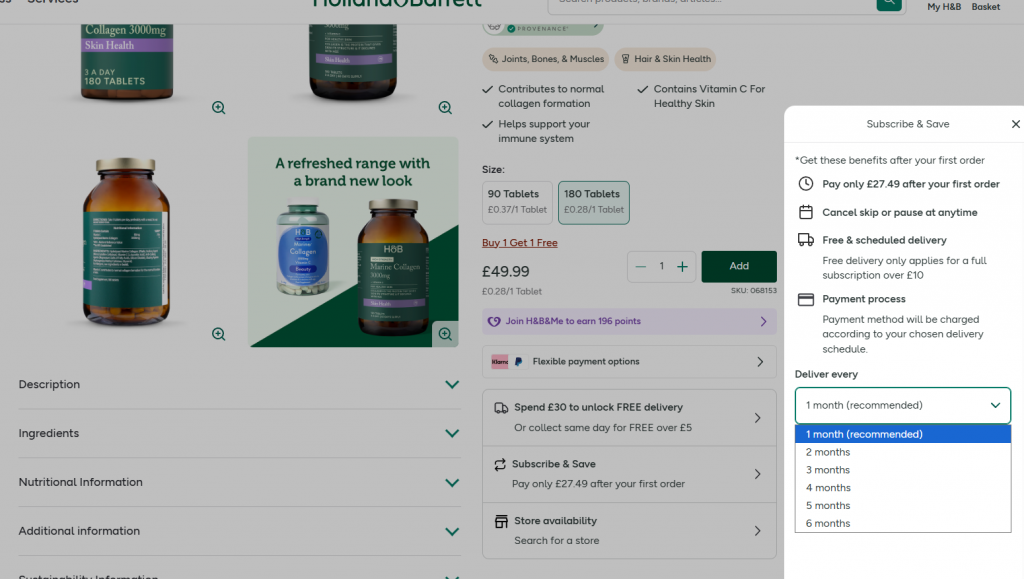
Let’s say you sell supplements. The customer is likely to have found you through social or Google Ads for example, a channel costing you money to acquire that customer. Then if they price shop around next time they are looking to see if someone is cheaper, they are likely to have cost you to acquire them without ever buying again, eating into your profit margins.
If we take the same scenario but allow the customer to order on a subscription basis with a discount, it completely changes the thought process of the buyer. If you offer a 10-15% discount on that subscription, yes you are losing margin, but you’re guaranteed a sale next month and beyond until they unsubscribe. In addition to this, you’re not then having to spend more money on marketing spend to try and acquire a replacement customer. You are instead marketing to acquire an additional customer. This changes things quite a bit.
Why Subscription Models In Ecommerce Actually Work
This matters for numerous reasons:
Discount Costs Less Than Acquiring a New Customer
If you are spending £30-£50 to acquire a new customer through Google Ads, giving them 15% off to guarantee a repeat purchase is a no-brainer. You’ve paid for the aquisition. Now you’re just protecting your investment.
Potentially Better SEO Experience Due to Customers Spending More Time On Page
When customers consider buying a subscription, they spend longer reading product details and understanding the commitment. The increased engagement shows Google that your page is valuable to them. The length of time of the avg. visit indicates to Google that it might be worthwhile giving you a boost in the SERPS.
Income is Better Forecasted as you Already Have Customers Enrolled to Spend
Instead of guessing what next month’s revenue is going to be, you’ve already got a baseline with which to work with. If you have 500 subscribers spending £40 a month, that’s £20k of guaranteed revenue before you’ve even spent any marketing budget. This compounds, the more customers you acquire onto this model.
Reduces Price Sensitivity
Once locked into a subscription model at a discount rate especially, customers a less likely to actively look elsewhere to price compare. The convenience and existing discount rate, remove the need to look for the best deal each month and it almost becomes a forgotten expense.
Improves Customer Lifetime Value Without Additional Effort
A one-time customer might spend £50. A subscriber who stays for 12 months at £40 a month spends £480. The maths make it obvious as to why this is a no-brainer for any ecommerce store that has the right kind of product for a subscription service.
When Subscriptions Make Perfect Sense
Not every product works on subscription, nor are they able to. However the ones that do see a powerful effect when it’s introduced. Here’s the types of ecommerce industries where subscription models work:
Consumables With Predictable Usage Patterns
- Contact lenses (monthly replacement schedule)
- Supplements and vitamins (30-day bottles)
- Coffee and tea (regular consumption)
- Pet food (predictable feeding schedules)
- Razors and shaving products (consistent replacements)
- Period products (monthly cycles)
- Nappies (age-dependent usage)
Replenishment Products With Known Lifecycles
- Printer ink
- Water filters
- Air filters
- Electric toothbrush heads
Habitual Purchases
- Meal kits (weekly planning)
- Snack boxes
- Beauty boxes
- Book clubs
When Subscription Models Don’t Work In Ecommerce
Some retailers have tried and failed to get a subscription model in place on their ecommerce site, when they haven’t got the product to do so. It’s painful to watch the struggle.
Designer Clothing
Nobody wants a monthly delivery of Stone Island – well I’m sure they do but don’t want to pay for it each time. Fashion is about choice, occasion and personal timing. Some retailers have tried to build a styled collection subscription model but most fashion brands should just forget this entirely.
Power Tools & Hardware
You don’t need a new drill every month. Durable goods have long purchase cycles and once someone buys a Makita set, they are done for years until something breaks or they need an upgrade.
Furniture & Homeware
Again, these are considered purchases with longer gaps between buying. Nobody needs a sofa on repeat.
High Ticket Discretionary Items
Anything expensive that requires deliberation (watches, handbags, garden equipment) won’t work. The purchase journey is important here as customers want choice and don’t want to buy again
Seasonal Or Occasion Based Products
Unless you’re that celebrity that keeps getting married, you’re not in need of a subscription of wedding supplies. Nor does it make sense for seasonal gifts like Halloween or Christmas.
The Secret Ecommerce Subscription Technique That Does Work Across These Sectors
Yes there is one that can work if you’re a retailer in these sectors. I should be charging for this:
Delivery On Subscription
Yes, enroll your customers into a delivery subscription model and here’s how / why:
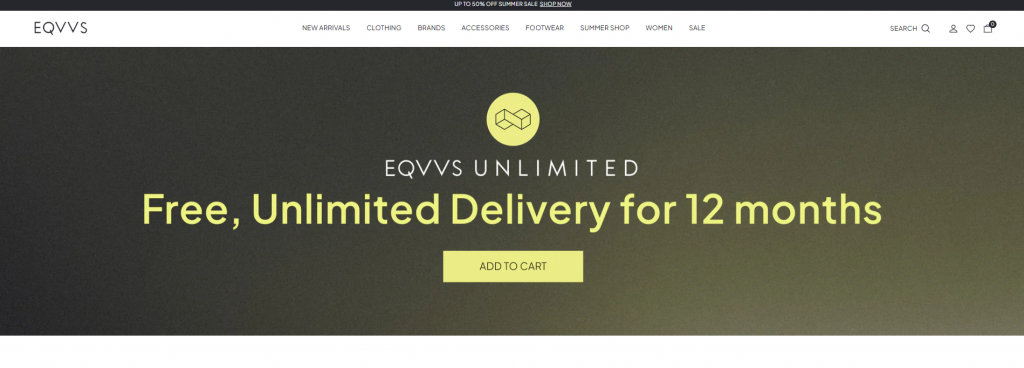
- Give them the option to purchase a yearly delivery model upon checkout
- Instead of paying £4.99 for delivery, they may pay £9.99 for delivery for the rest of the year
- Customers then remember that they have free delivery to use at your store instead of a competitor all year-round
- Instead of looking to see who offers the cheapest price as well as cheap / free delivery next time, they automatically choose you
Fashion retailer EQVVS have recently implemented this exact system which I think will be one of the main ways that retailers look to get around the discount culture and try to retain customers over a longer period.
The Maths Works
Work it out using an average order value of £100 to keep it simple:
- 1 Sale = They pay £9.99 instead of £4.99 and might never buy from you again. You’ve just pocketed £5 in delivery profit even if you never see them again
- 2 Sales (free delivery) = They already paid you £9.99 so this delivery is covered but you just earned another £100 AOV. £200 in total now
- 3 Sales (free delivery) = Right, now it’s costing you to post this order, but you’ve just earned another £100 AOV. That’s £300 for a £5 delivery cost
- 30 Sales (free delivery) = By this time, yes you’ve given free delivery to the value of around £150 but you’re now sitting pretty at £3,000 revenue. Not a bad return instead of that one time sale
The Main Question Is Does Your Customer Regularly Need A Subscription?
This is the advice I use when speaking to people considering subscription based ecommerce models:
- Is the product consumed or depleted on a schedule?
- Does running out genuinely cause them an inconvenience
- Is repurchasing a chore that your customer would rather automate?
- Can you offer genuine value through a subscription model?
How to Implement Subscriptions Without Killing Your Margins
The fear most retailers have is that offering 15-20% off will destroy profitability. You need to consider whether it makes sense when you factor in your own margins etc. Here’s how to make it work:
Calculate your true customer acquisition cost (CAC)
If you’re spending £40 to acquire a customer through paid ads, and they only buy once, you’ve barely broken even. If that same customer subscribes and stays for 6 months, your CAC drops to £6.67 per order. That 15% discount now seems cheap.
Make the discount meaningful enough to lock them in
Don’t offer 5% and expect loyalty. That’s insulting. 15-20% is the threshold where people actually commit. Remember: you’re buying guaranteed future revenue.
Focus on products with healthy margins
If you’re selling supplements at 60% margin, giving away 15% still leaves you with 45% margin plus guaranteed repeat revenue. Don’t try this on products with 20% margin.
Use subscriptions to reduce churn, not replace growth
Subscriptions shouldn’t be your only strategy. They’re a retention tool. Keep acquiring new customers. Some will subscribe. Some won’t. Both are valuable.
Make it easy to pause or cancel
I know this sounds counterintuitive, but customer-friendly cancellation policies actually reduce churn. People don’t feel trapped, so they stay longer. Plus it’s better for your brand reputation.
In Review
Subscriptions work great for consumable, replenishable products where running out is genuinely inconvenient for your customer. They don’t work for discretionary, occasional or considered purchases.
If your product sits in the first category, you should absolutely be offering subscriptions. If you’re in the second category, focus on other retention strategies instead (email marketing, loyalty programmes, remarkable customer service).
I’ve worked with retailers who’ve grown subscription revenue from zero to 30% of total revenue in 12 months. But I’ve also seen brands waste thousands on subscription apps for products that would never work.